
For a lot of Aussie adults, the choice between spinning a reel at the local club and tapping through an app comes down to one question: does the venue actually back responsible gambling, or is it just a poster near the bistro? I spend my days stress-testing wagering products at Picklebet, so I know the difference between marketing copy and a real harm-minimisation framework. Offshore options like jackpotjill-real-money-casino.com sit outside that framework, which is why this read is about the floor. Here’s how land based casino Australia responsible gambling stacks up across two player-fit scenarios.
Clocks on the Floor and Habits That Travel Home
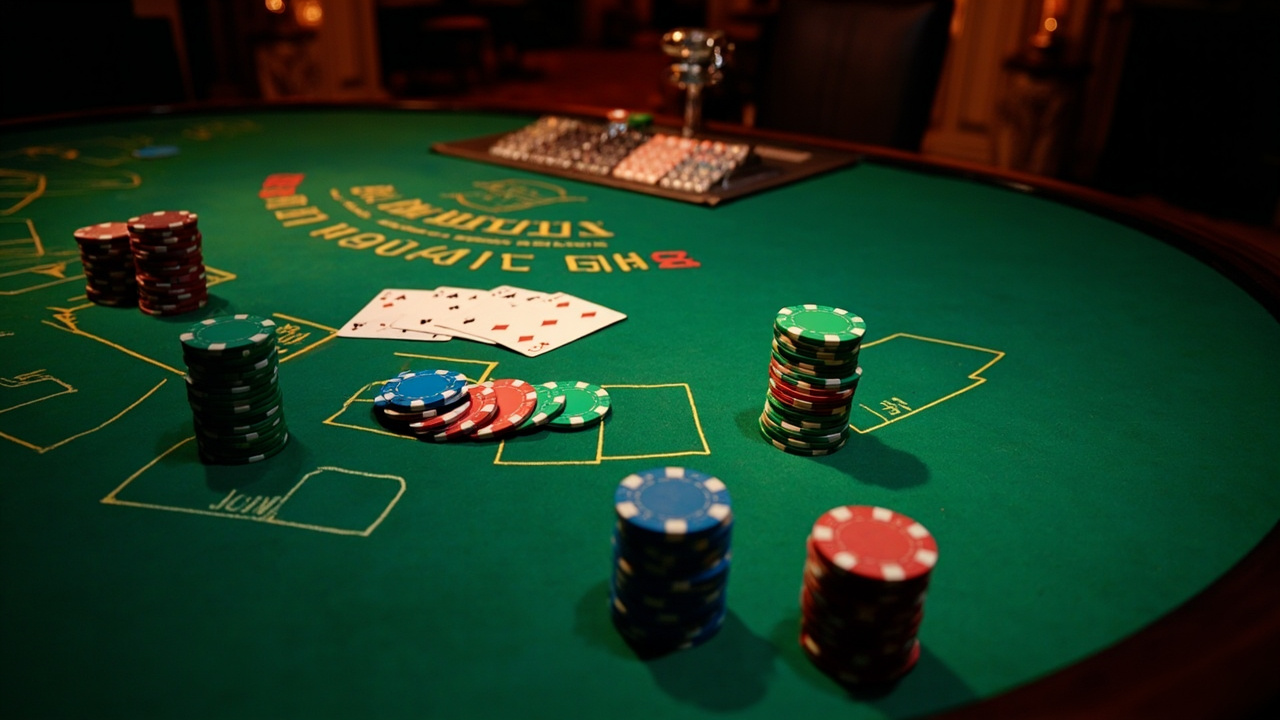
Walking into a Hobart venue like Wrest Point at Sandy Bay, the first responsible gambling cue I clock is the wall clock above the pokies bank – that one isn’t decorative, since clocks are now required on some Australian gaming floors by regulation so patrons can track the arvo without pulling out a phone. Inside, harm-minimisation usually bundles pre-commitment tools (daily, weekly, or monthly caps), trained staff, and signage pointing to Gambling Help Online and the Tasmanian self-exclusion register. I treat those features the same way I do product onboarding at Picklebet: if a person can’t find the safety controls in under thirty seconds, the design has failed.
The Tasmanian Liquor and Gaming Board covers minors, intoxication, and extended-play messaging, and the better operators turn that into something practical. As Annika Bennett, Responsible Gambling Adviser at Southern Cross Gaming Advisory, notes: “Pre-commitment limits work best when staff walk the patron through the setup, not when they hand over a brochure at the door.” Outside, the riverside walk back to town gives a moment of friction before the next spin. That physical reset is something no online lobby can replicate, so the conversation belongs on the floor. When players cross-check an offshore option, the comparison gets awkward – those sites advertise thousands of slots but sit outside the regulatory perimeter, so the harm-minimisation guarantees a Hobart venue must provide simply the company’s web page don’t translate there.
Two Player-Fit Scenarios on the Australian Floor
The Casual Weekender Who Wants Real Friction
A Tasmanian punter who only spins a few times during a Saturday arvo at Wrest Point tends to benefit most from what a regulated venue does best: it forces a pause. Walking out for a counter meal, paying cash rather than tapping a card, and hearing the chime of the front-of-house clock all act as natural circuit-breakers that apps have to engineer with timers and pop-ups. I see the same tension in our Picklebet onboarding – players will turn off deposit reminders unless the friction is built into the journey, not bolted on. For this player, the harm-minimisation framing works because the venue already matches the habit – small stakes, slow tempo, social setting. The risk, of course, is that the same casual player slips into a Tuesday-night habit once the venue loyalty card starts sending “we miss you” messages, which is why the venue’s marketing opt-outs matter as much as the gaming-floor cues.
The Poker Regular Tracking Hours and Tilt
A regular who sits at the tables three nights a week needs something different: tracking, not just nudges. That’s where venue-level responsible gambling tools start to show their edge over a generic offshore product. Entry logs, loyalty-card-linked session time, and staff who recognise a returning face are all part of the Australian harm-minimisation stack, and they rely on the venue actually knowing who walked in. The thing most casual players miss is that these safeguards are layered – self-exclusion registers (six months through to a lifetime in Tasmania), pre-commitment, and trained gambling attendants all overlap. Claire Baker, Gaming Technology Consultant at Blue Mountains Interactive, sees it as a workflow problem: “Self-exclusion only works when the entry check, the loyalty system, and the staff escalation all speak to each other, and most venues still run them as silos.” That distinction between a quiet register and a working one is what separates a venue with a real policy from one with a glossy PDF. For this regular, the responsible gambling question shifts from “did I have a good time” to “did the venue give me anything to reflect on after I left.”
Where the Framework Either Holds or Slips
The responsible gambling picture at a land based casino in Australia holds together when three things line up: regulation, trained floor staff, and the patron’s own willingness to use the tools. Slip happens at the seams – a self-excluded player who slips through ID checks, a staff member who doesn’t escalate a welfare signal, or a marketing email that lands in someone’s inbox after they asked to be left alone. I’ve seen Picklebet’s wagering product fail similar tests in QA, so the venue advantage only counts if the operator audits it.
Over a flat white in Salamanca, a mate put it plainly: “Used to lose track of time on the floor.” “Yeah, but the clock on the wall and the cash float do half the work now.” “You reckon the design actually helps?” “When it’s done right, yeah. When it’s not, it’s just wallpaper.”
A short checklist worth keeping on your phone before you go:
- Pre-commit your session limit before tapping a card
- Set a phone alarm matching the venue’s mandatory break
- Note the Gambling Help Online number and Tasmanian self-exclusion contact
- Leave one payment card at home, take a cash float only
- Treat any win as the cue to log out, not the reason to stay
That last one, more than any clock or sign, is what keeps a night on the floor from turning into a habit.
The right venue for land based casino Australia responsible gambling is one that treats harm-minimisation as part of the product, not a poster. Wrest Point and comparable Tassie venues earn that when staff, signage, and session limits line up. If those pieces feel like an afterthought on the night, the responsible gambling promise is theatre, and the better play is to walk back to the waterfront.